


Key Takeaways
- Preventative care focuses on staying ahead of health changes, not just reacting to them.
- Senior living communities naturally weave health support into everyday routines.
- Independent living, assisted living (also known as personal care), and memory care all support proactive wellbeing.
- Family involvement strengthens the care experience for everyone.
- A personalized wellbeing assessment is the first step toward a fuller, healthier life.
Prevention Is the New Self-Care
You already know that staying active, eating well, and keeping up with check-ups matters. But when you’re managing a home, juggling appointments, and navigating daily life solo, it’s easy for those things to slip through the cracks. That’s where Juniper Village at Bucks County in Bensalem, Pennsylvania, changes the picture entirely.
Preventative care in senior living means your health gets steady, thoughtful attention every single day, woven right into the rhythm of your life. It’s not about doctor’s offices and waiting rooms. It’s about waking up in a warm, supportive senior living community where staying well feels completely natural.
What Preventive Care Actually Looks Like in Senior Living
Forget the image of a cold, clinical setting. Preventive care in a senior living community looks a lot more like connection, routine, and personalized attention. It starts with knowing who you are, not just what your chart says.
At its core, a proactive approach to health includes:
- Routine check-ups and health screenings that catch changes early.
- Vaccination updates that keep you protected through every season.
- Personalized care plans shaped around your unique health history and lifestyle.
- A team that notices when something feels off, before it becomes a bigger issue.
The difference between reactive care and preventative care is simple. Reactive care waits for a problem. Preventive care stays one step ahead. In a senior living community, that forward-thinking approach is built right into the day.
The Everyday Benefits of Staying Ahead of Your Health
More Independence, More Living
When small health changes get attention early, they rarely turn into the kind of problems that slow you down. That means fewer hospital stays, fewer disruptions, and a lot more time doing the things that light you up, whether that’s a morning walk, a pottery class, or a long lunch with a friend.
Staying ahead of your health doesn’t just add years to your life. It adds life to your years. You keep your independence longer because you’re supported consistently, not just in a crisis. Long-term care planning is most effective when it starts with a proactive, day-to-day approach.
Mental and Emotional Wellbeing
There’s something genuinely comforting about knowing your health is in good hands. Regular check-ins mean fewer surprises, and fewer surprises mean less worry. That kind of peace of mind makes a real difference in how you feel day to day.
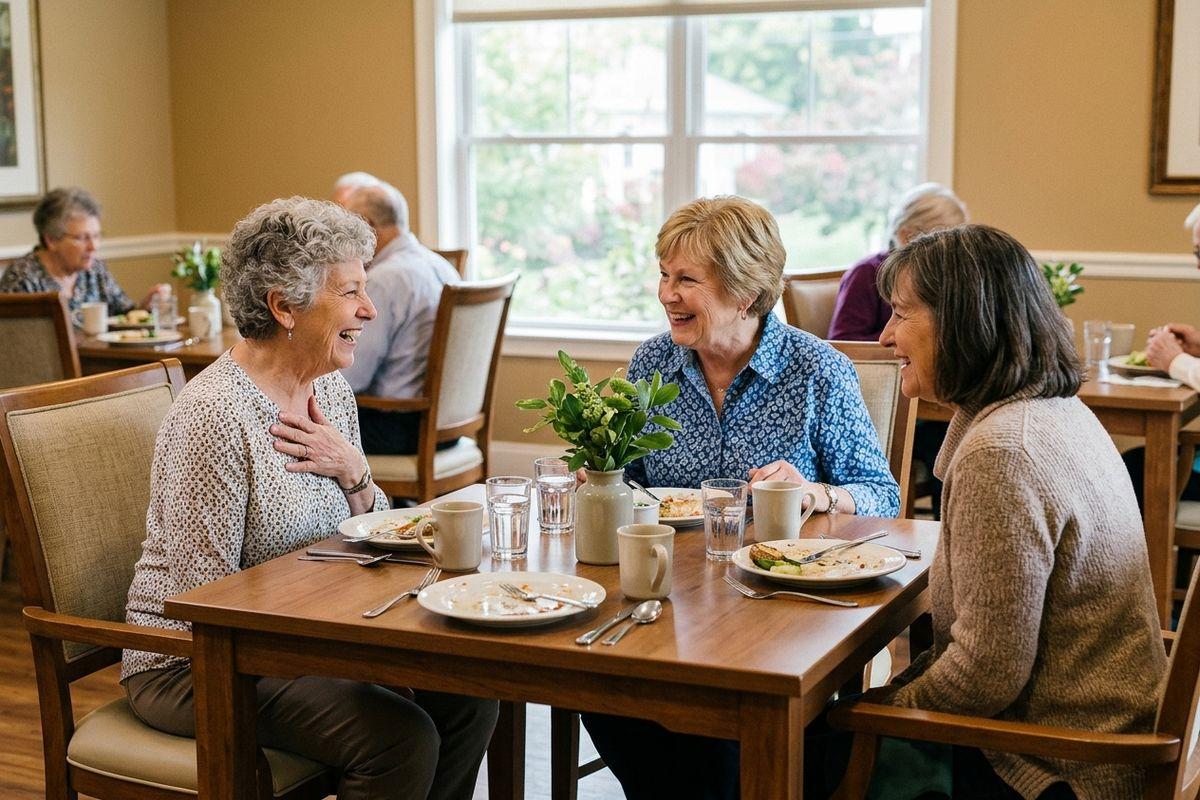
Social connection plays a huge role here, too. When you’re part of a community, surrounded by neighbors, shared meals, and group activities, your mood lifts. Loneliness fades. And strong social engagement links to sharper memory and better overall health.
How Independent Living and Assisted Living Support Preventive Care
Built-In Support for Personal Care
In both independent living and personal care, on-site teams are present and attentive. They notice changes in energy, appetite, or mood that you might brush off as a rough day. That kind of close, consistent observation is genuinely valuable, catching what annual appointments might miss.
For those in memory care, preventative support is woven even more intentionally into daily routines. Familiar rhythms, gentle engagement, and thoughtful personal care all help protect cognitive wellbeing over time. The Wellspring Memory Care approach is built around exactly this kind of consistent, personalized attention.
Lifestyle as Preventive Medicine
Here’s something worth savoring: nutritious, chef-prepared meals from the dining experience, regular movement opportunities, and a calendar full of social events aren’t just perks. They’re preventative medicine in the most enjoyable form possible. Good food fuels your body. Movement keeps you mobile. Connection keeps your mind sharp.
When skilled nursing support is needed, it’s accessible. You don’t have to navigate that alone or figure out transportation on your own. The layers of care are already in place, ready when you need them, quiet when you don’t.
How Family Members Can Play a Part
Preventative care works best when it’s a team effort. If you’re an adult child of a loved one in senior living, your involvement matters more than you might think.
- Stay engaged in health conversations and appointments when possible
- Encourage healthy routines and ask open-ended questions during visits
- Partner with the senior living team to share observations and insights
- Celebrate small wins, like a new exercise class or a great checkup
When families and senior living teams work together, everyone benefits. Explore more on family involvement in resident care to see how that partnership can deepen connection and support your loved one’s wellbeing from every angle.
Taking the Next Step Toward a Healthier, Fuller Life
Preventative care is one of the most compelling reasons senior living works so well for so many people. The right community makes healthy living feel like a lifestyle, not a checklist. At Juniper Village at Bucks County, that’s exactly the kind of environment you’ll find.
A personalized wellbeing assessment is the first step. It’s how your unique story, your preferences, your rhythms, and your goals shape the experience ahead. Reach out to the team to start that conversation today. Your third act is just beginning, and it can be a brilliant one.