

Key Takeaways
- Ask about pet policies early, including types of pets welcome, size guidelines, fees, and approved walking areas.
- Schedule a checkup, refill medications, gather records, and update ID tags before moving day.
- Pack your pet’s bed, blanket, toys, and bowls first so familiar scents arrive with you.
- Keep feeding and walk times steady through the move and the first few weeks.
- Set up a quiet space on moving day, then explore your new home one area at a time.
Bring Your Companion Along
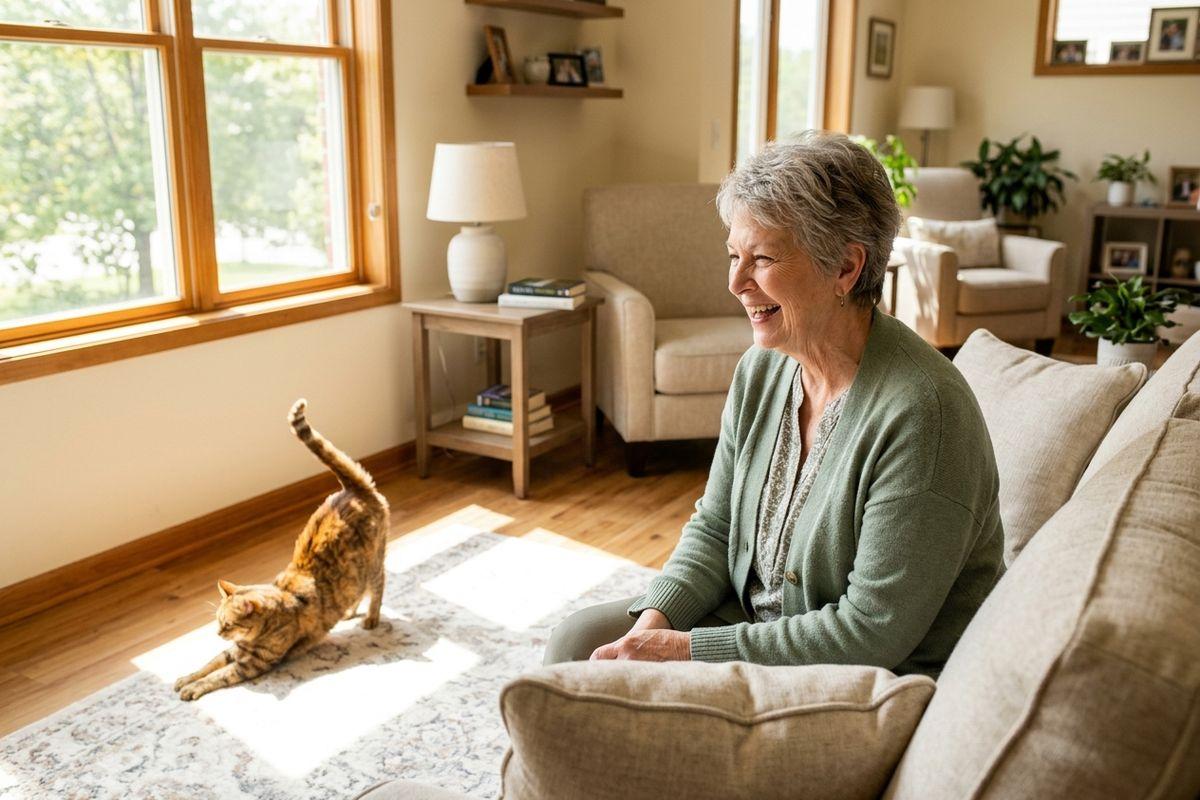
Your dog knows exactly which chair belongs to them. Your cat has claimed the sunny spot by the window for years. So when you start picturing a move to a community, the first question isn’t about square footage. It’s whether your companion comes too.
The short answer is yes, but for a smooth transition, learn the pet policy before you sign, pack familiar comforts first, and keep your pet’s daily routine steady while everything else changes. Many senior living communities welcome pet companions into daily life here, and independent living gives you the time and space to enjoy them.
Pet-Friendly Independent Living
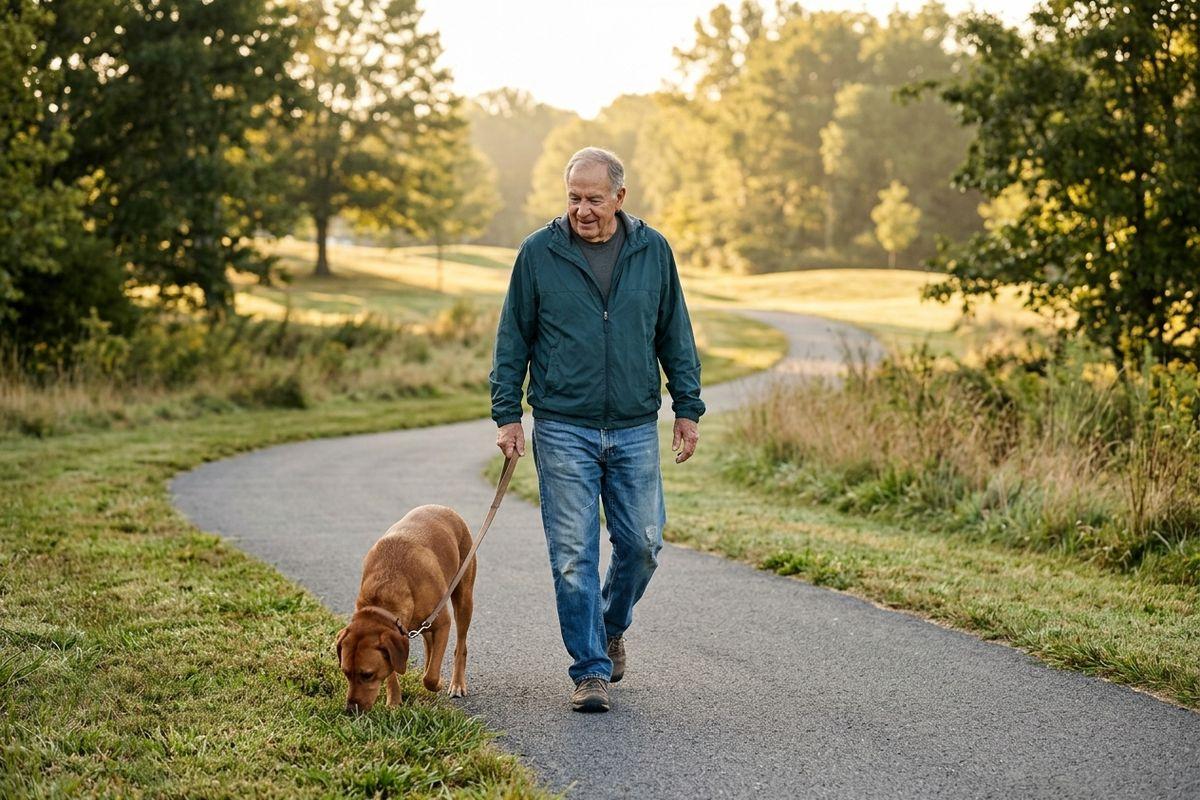
Here, your pet isn’t a guest, they’re home. Walking paths and open green space mean your dog always has somewhere new to sniff, and you get a reason to step outside for fresh air before breakfast.
Pets are also the easiest introduction there is. Someone stops to ask your dog’s name, and ten minutes later you’re talking about where you grew up. Your companion opens doors to neighbors you might not have met for months.
Asking About Pet Policies
Get the details in writing before moving day so nothing surprises you later. Here are a few things worth asking during your visit.
- Which types of pets are welcome
- Size or weight guidelines for dogs
- Any pet deposit or monthly pet fee
- Approved outdoor areas for walks and where waste stations are located
- Whether visiting family pets are welcome too
Preparing Your Pet for Moving Day
Start with a checkup. Refill any medications so you’re not tracking down a prescription during your first week, and grab a printed copy of vaccination records just in case. Then update your pet’s ID tags with the new address and phone number, and log in to update the microchip registration.
Finally, find a veterinarian near the community. There are plenty of good options, and having a name saved in your phone before you need one takes real weight off your shoulders.
Comfort Items Worth Packing First
Pack your pet’s belongings to make moving day easier. Bring their bed, their favorite worn blanket, the squeaky toy that’s seen many years of use, food and water bowls.
Skip the urge to buy everything new. Familiar scents tell your pet this place is safe, and a freshly laundered bed loses the smell that does that work.
Practice Trips & Steady Routines
If car rides make your pet uneasy, take a few short trips in the weeks before you move using the same carrier you’ll use on moving day. A drive around the block, then a slightly longer one, builds a little familiarity.
Keep feeding times and walk times exactly where they’ve always been. When mealtime happens at seven in the morning regardless of what else is changing, your pet has something dependable to hold onto.
Making Moving Day Calmer
Moving day has doors propped open and people carrying boxes. Set your pet up in a quiet space away from all of it, with the door closed and a note on it so nobody wanders in. Put out familiar bedding and fresh water early, before the boxes arrive.
Add a favorite toy. Check in every hour or so with a few minutes of quiet company. Your pet reads you more closely than the room. A steady voice and unhurried movements say more than any treat can, so take the day slower than you think you need to.
Settling into Your New Home
Start small. Let your pet explore one space at a time rather than the whole apartment at once, and stay nearby while they investigate corners and closets. Walk the same route for the first several days. Repetition helps your dog build a mental map, and it helps you stay active too. Once that route feels routine, branch out.
Keep introductions to neighbors and their pets brief and relaxed. A short hello on a walk works better than a long crowded meeting, and you can always stop again tomorrow.
Everyday Habits that Can Help
Steady feeding times, walks, and playtime carry more weight now than ever. Reward calm behavior with a treat and a quiet word, especially near the door and in the hallway.
Set up one resting spot away from foot traffic where your pet can nap undisturbed. Every companion needs somewhere to fully switch off.
Plan Your First Visit Today
Some pets settle in three days. Others take a month of watching you from across the room before they claim their new favorite chair. Patience is the whole strategy, and it helps. Once your companion feels at home, the rest opens up.
At Juniper Village at Bucks County, you can visit the community in person, walk the grounds, and picture your next chapter here together. Schedule a tour today.